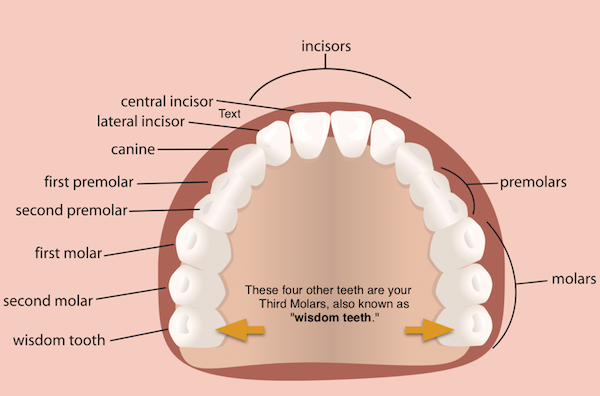
The teeth are a hardened, calcified substance that is present on most vertebrates and are covered by the gums.
Over your lifetime you will develop various types of teeth, with different types of teeth occurring in certain periods of development. Teeth types include the following:
We offer a range of treatment and check up options for various types of teeth at our Brighton and Hove clinic, where we specialise in treating nervous patients. Our supportive team members are ready to help with many dental issues, you will see they are eager to assist when you get in touch to book an appointment today.
CONTACT US BUTTON
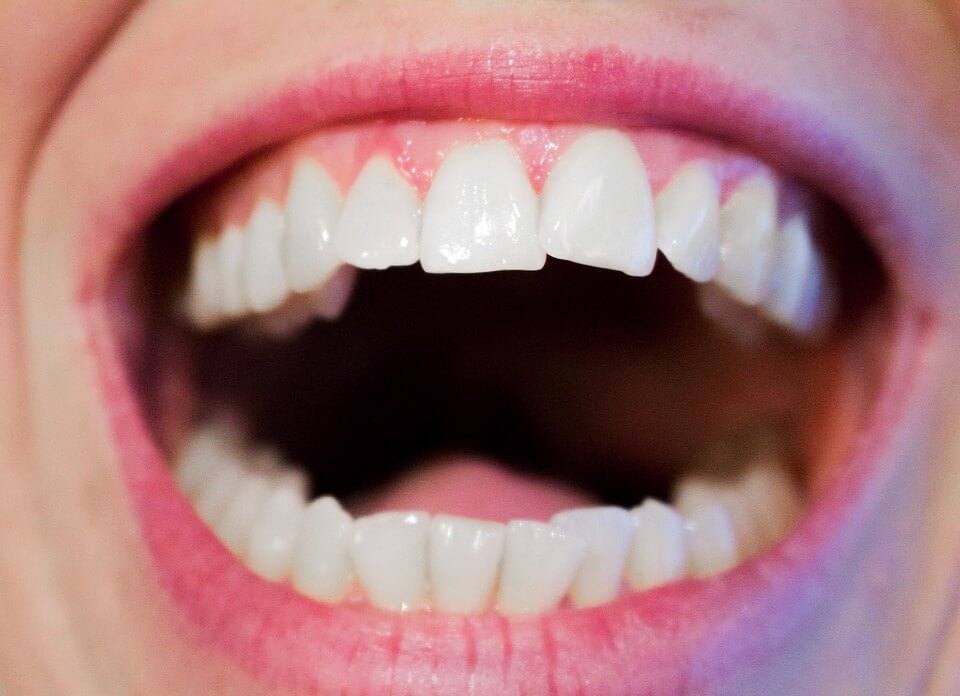
If you understand the different types of teeth and how they work you can be more on top of your dental health. Oral hygiene can seem complex and even scary at times. But with a better knowledge of your teeth, you are more likely to make healthy choices and spot any potential problems before they arise.
No matter what type of teeth you are having a problem with, visiting a dentist is the best possible option. The following are some more details on human teeth types:
Although it might seem like a good tooth for cutting, canines only tear – as they are behind the incisors.
Molars: All molars are used for grinding food. They come in gradually in a sort of a line, at the edge of the ‘horseshoe’ shape of your bottom or lower jaw.
There are several different types of molars including the following:
The only non-functional teeth in the mouths of humans are the wisdom teeth, which experts now believe are the vestigial leftovers of our ancestors. They are not necessary and many people have them removed, sometimes due to tooth pain.
During earlier stages of evolution, such as pre-historic and hunter-gatherer times, it was much more likely that people would consume very rough and coarse foods. Coarse foods like grains thereby needed strong, large wisdom teeth to consume.
CONTACT US BUTTON
The four types of teeth are incisors, molars canines and wisdom teeth – but there are a few subcategories of teeth within each of them, most notably the molars. Children also have their baby teeth, or ‘primary teeth’, which fall out by age 12. For adult teeth, people develop their final wisdom teeth at around 20 years old.
Although there are various types of teeth, the teeth are mostly there to cut, tear and grind food. We can check, straighten and restore all types of teeth at our Brighton and Hove clinic – where we specialise in treating nervous patients. Please feel free to get in touch with us if you have any questions or to book.
CONTACT US BUTTON
The following are some common questions and frequently asked questions about types of teeth and the services we provide:
All of the teeth serve some sort of purpose in the mouth, aside from the wisdom teeth, to help keep teeth capable of cutting, tearing and grinding your food. However, the first molars (not the premolars) are arguably the most vital tooth to come in during adolescence – as they affect the symmetry of the face. In young adults and older age groups, the molars are also the main chewing area, grinding the food before digestion. The first molars are also particularly susceptible to decay, so they are also one of the most important teeth to look after as removing them can reduce chewing function, facial alignment and overall quality of life. As a result, unlike some teeth, removal of the first molars without a dental implant is not a viable option.
Human teeth have a small amount of serration to help cut through food. The serration is extremely small and hard to detect in most cases. However, up close and using imaging techniques you can see the roughness and serration on a tooth – that helps us to cut and chew our food.
The canines, the fang-like pointy teeth on either side of the incisors, is the sharpest type of tooth in the human mouth. Canines are also the longest type of tooth, extending further than other teeth into the mouth but also deeper into the jaw structure too.
BACK TO BLOG






 INSTAGRAM