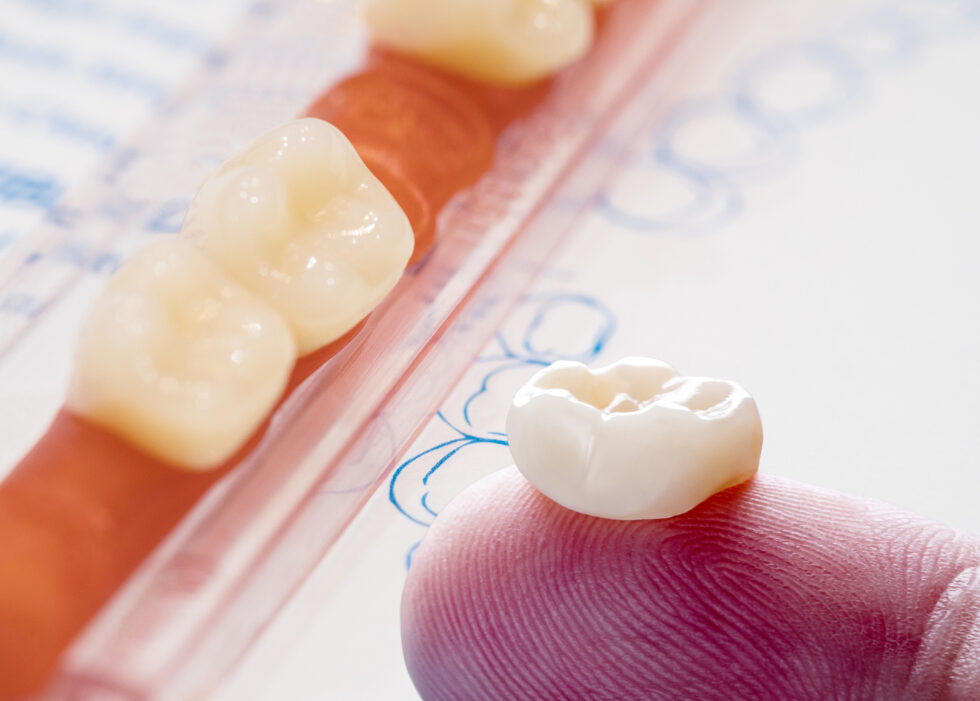
A dental crown can help fix the appearance of decay or damage within a tooth and prevent toothache, gum disease or other problems from occurring. Using a temporary crown will help during dental the initial phase of the treatment to prepare the mouth and surrounding teeth for a permanent crown. Crowns will help people to chew, improve the health of gums and provide an aesthetically pleasing look.
It is important to differentiate a crown from an implant, a crown goes on top of an existing tooth and is not an implant per se – it screws on to the top. Crowns are common for front teeth, where the appearance of any tooth problems is more prominent. Crowns are available in various materials, with ceramic crowns and porcelain crowns being a common choice.
People with crowns can do the same oral health practices as they normally do, such as brushing and flossing. It is important to maintain oral health with this treatment as a crowned tooth does not prevent gum disease. As expert providers of dental crowns and many other treatments we can explain the process clearly.
If you require a new or replacement dental crown please get in touch with us for more information.
If you have a crown then you may need to replace it for several reasons. For example, the crown may break or damage if there is an injury to the area. It is also possible for a crown to accidentally become loose or come off entirely, such as when biting into a portion of hard food such as an apple.
Potential reasons for crown replacement include the following:
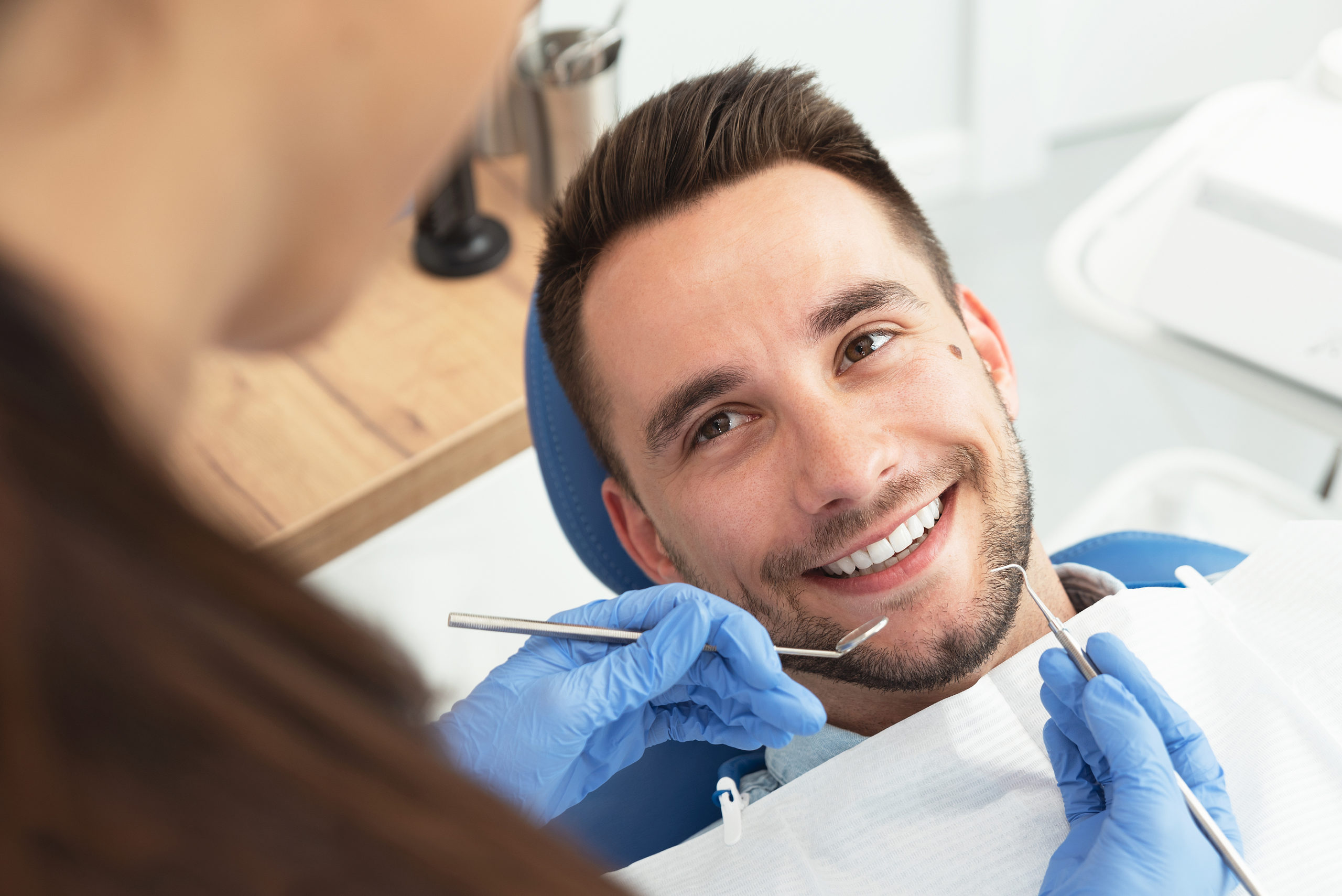
Whether you are undergoing a crown replacement treatment or fitting a new crown the process works as follows:
Usually, a crown replacement will take place over multiple appointments, so temporary crowns are essential. It is possible to fit a crown on the same day, in this case, computer-assisted scans are used to create a digital model of the tooth. With advanced equipment, it is easy to produce a perfect crown in less than 30 minutes.
It is possible to have a root canal through a crown, so a dentist can drill into the crown to access the tooth underneath in this case. Removing the crown provides easier access during the root canal, but in some cases this is impossible. If a dentist removes a crown to do a root canal they can then reuse the old crown or fit a new crown replacement.

Costs vary depending on the number of crowns, the positioning of them, how much tooth preparation is necessary and the materials you choose for your crown. Some insurance will cover crown replacements, while others will not.
Many people find insurance confusing and annoying to deal with so they may simply pay for a replacement or fitting as an additional service – as people use crowns quite commonly for cosmetic reasons only.
Crowns will not last forever so it is essential to replace them. By fitting a new crown replacement instead of reusing it people can improve their oral health and avoid dental problems by making use of a crown that fits better or that makes use of more hygienic materials.
Dental crowns are usually a multiple appointment process and work by fixing a crown to a properly prepared tooth, which helps with chewing, gum health and the aesthetics of your teeth. As experts in a range of dental treatments, we can provide first-class crown replacement services. Contact us to find out more, and to book an appointment if you would like the replacement fitted by an experienced professional.
BACK TO BLOG






 INSTAGRAM