The causes of an overbite are largely genetic, with baby teeth sometimes influencing the shape of the jaw. Using pacifiers late into a child’s development and finger or thumb sucking are all causes of an overbite. Nail-biting is another potential cause for groups such as children, teenagers and adults.
An overbite is a type of malocclusion, biting in an incorrect position, that causes the appearance of the front teeth protruding outwards over the jaw. Sometimes people call an overbite ‘buck teeth’, though this is a non-medical term and may be considered insensitive. Overbite issues can affect both children and adults.
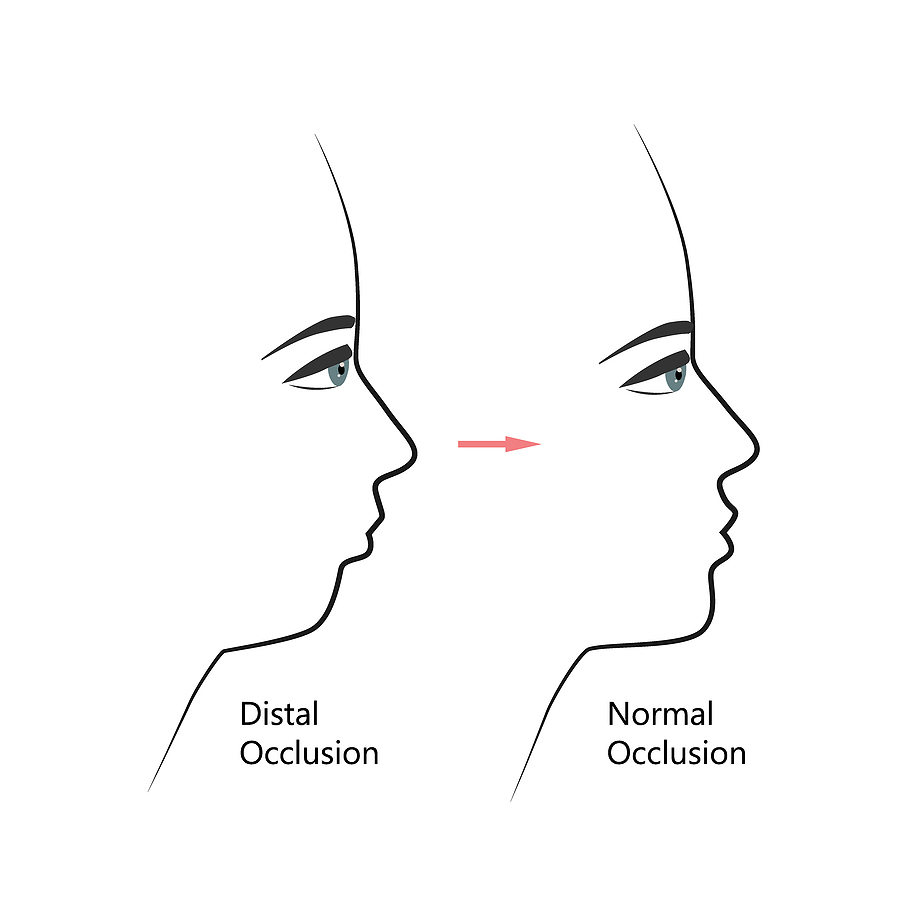
Symptoms are visually self-evident in most cases, but slight overbites may be less noticeable. Overbites may result in the following common symptoms:
To fix an overbite you will require a dental professional to assess the severity of the condition and determine the best course of treatment. Many methods to correct an overbite involve orthodontic treatment and are very effective, especially in children.
In severe cases, an oral surgeon will need to develop a treatment plan. Most overbites will respond effectively to the best treatments, but correcting a deep overbite that is present in an adult will be difficult, lengthy and expensive in the majority of cases.
As leading providers of dental treatments, we are well-placed to explain some of the details of overbites. You can book an appointment for an overbite and other issues in the Brighton and Hove area of the UK at our clinic, so please feel free to get in touch.
An overbite affects the top of the mouth, an underbite affects the bottom of the mouth. Aesthetically, an overbite is when the front teeth jut out and an underbite is when the bottom teeth jut out. Both an underbite and an overbite are a form of malocclusion, largely genetic and affect the alignment of the jaw – causing a bad bite.
Aside from the visual appearance, biting issues and jaw pain, an untreated overbite can form the basis of many other dental problems – so it is important to fix an overbite. The following are some potential complications of an untreated overbite:
Even with proper dental care, the risks from an overbite can make it difficult to stop issues that are otherwise preventable in healthy teeth. If you have an overbite, the sooner you receive treatment to correct the problem the better the outcome will be.
The treatment options for an overbite are different for adults and children. As a child’s teeth are much more receptive to adjustment, treatments are generally simpler and less invasive. Adult treatments take longer and have a bigger impact.
The following are some potential treatments for correcting an overbite:
The best treatment for an overbite will depend on a range of factors, notably a person’s age and the severity of their condition. It is always better to treat an overbite in childhood, so parents should be aware of their child’s problems and fix them early.
An overbite is largely genetic and causes the appearance of the front teeth protruding over the jaw. Untreated they can cause many issues such as tooth, gum and jaw problems. Treatments include corrective devices or surgery in some cases.
It is important to have a dental professional examine your overbite and decide on the best treatment. If you have an overbite and would like to book a dental appointment in the Brighton and Hove area you can get in touch with us and visit our clinic.
BACK TO BLOG






 INSTAGRAM