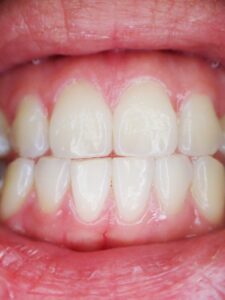
Receding gums are a common dental problem that many people will experience. Recession can be caused by a number of things, including harsh brushing, genetics, gum disease and bruxism (teeth grinding). One of the main problems with receding gums is that the condition is gradual, and patients do not realise their gums are receding.
Visiting your dentist once every six months will help keep on top of your oral health and the threat of receding gums and gum-related diseases.
Gum recession is a fairly common dental issue that makes your gums recede, exposing more of your teeth and their roots. Many people do not know they receding gums, because gum recession happens gradually and often goes unnoticed.
When your gums recede, they leave your teeth open to harmful bacteria and diseases caused by this bacteria.
Your gums protect your teeth in two ways: first is the attached gingiva, which connects your teeth to the bone, the second way is the gingival mucosa, which protects the insides of your gums and cheeks. Where we notice the recessions is known as the gingival margin, the gums that surround our teeth. When the gingival margin pulls away from your teeth, it leaves ‘pockets’ where bacteria can attack the roots. If left, this can lead to tooth decay and even tooth loss.
Unfortunately, your gums will not naturally grow back once they have receded. However, there are treatment options that can raise your gum line back up to its original position, and there are ways to stop receding gums from getting worse
There are a few ways to help stop your gums from receding further. If your gum recession is in its early stages, your dentist may be able to perform a deep clean, which flushes out any bacteria and tartar hiding within the gapped or pocketed areas. If the roots of your teeth are exposed, they will be cleaned and smoothed over to allow your gums to join back into their original positioning.
If bacteria still remains, you may be prescribed antibiotics to ensure all bacteria is eliminated. This is something that can be discussed with your dentist before treatment begins.
If your gums have receded to the point where cleaning will not solve the problem, you may require minor surgery to reposition your gums.
Below are some of the noticeable symptoms of gum recession:
While you may not be able to reverse receding gums naturally, there are natural treatments you can try:
For patients who are experiencing minor discomfort regarding their receding gums, the following should help numb the pain:

Painkillers – over-the-counter painkillers are common treatment options for patients experiencing minor soreness and tenderness around the gums.
Antibiotics and surgery – if you are experiencing major discomfort, you should visit your dentist immediately. It may be that your gums have become inflamed and you require stronger medication or even surgery.
If your gums have receded to the point where they are causing you extreme discomfort, surgery may be the only viable option. Fortunately, there are a few surgical treatment options to consider. One of the most popular is pinhole gum rejuvenation, a treatment which ‘pulls’ your gum line back to its original positioning. This is a minor surgery that has a swift recovery time (just one day).
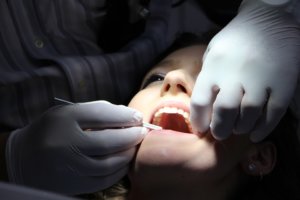
Patients should return for a routine checkup twice a year to ensure their teeth and gums are in a healthy condition. We specialise in nervous patients, so if you haven’t been to the dentist for a while, or you’re worried about treatment, our team are dedicated to making your stay and relaxing and comfortable as possible.
For more information on the ways to stop receding gum pain, please do not hesitate to contact us.
Book your checkup today and begin your journey to a healthier smile and happier gums.
BACK TO BLOG






 INSTAGRAM