It is a very common type of deep cleaning for protecting tooth enamel beneath the gums and gum tissue from periodontal (gum) disease. With healthy teeth and gums, you are much less likely to experience tooth loss and other effects of poor or insufficient oral care.
As leading providers of a wide range of dental treatments at our Brighton and Hove-based clinic, including specialist treatment options for nervous patients, we are well-placed to explain a bit more about scaling. Get in touch with us to book an appointment.
There are several types of dental scaling, which will all accomplish pretty much the same goal but to different extents. Types of scaling include:
Dental scaling is one of the most common types of dental cleanings and delivers a form of dental hygiene you could not do by yourself. Many treatment providers will take a dental X-ray, which will clearly show deposits below the gum line and give an accurate picture of your teeth.
The course of treatment involves scraping off the layers of plaque, tartar and other harmful substances, which will usually proceed as follows:
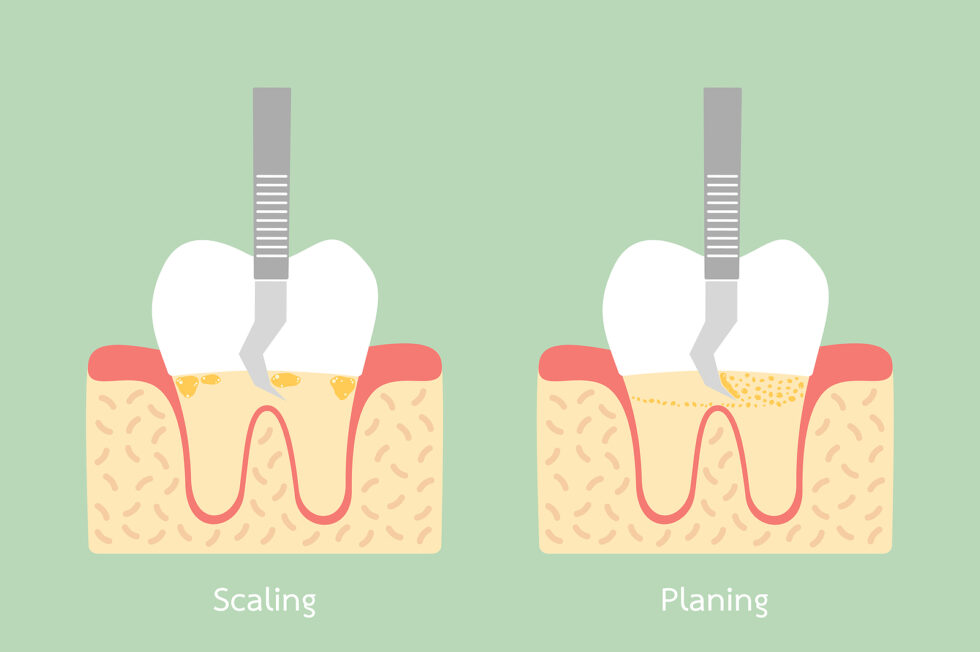
See below for a visual representation of how the scaler tool reaches down into the gum pocket:
You may need an additional visit if the build-up is significant. As the dental scaling procedure can be quite tough on the gums there is a chance that bacteria in your mouth will get into your bloodstream – so to deal with this you will be given a special mouthwash, or even medication if your dentist feels this is necessary.
In most cases, recovery is quick and occurs in as little as a few days. However, it is completely normal to expect some initial bleeding, swelling and general soreness as a typical side effect.
A simple scale and polish from a hygienist or dentist will cost around £50 on average, but there will be additional costs for deep scaling and gross debridements in most cases – so the prices can easily increase. £50 to £100 is a fairly standard price point for many types of teeth cleaning.
The book A Consumer’s Guide to Dentistry, published in 2002, says dental scaling costs are “Low if accomplished on a routine basis, but higher if a large accumulation of tartar is allowed to build up.”, which shows that scaling can be a good investment for your long-term dental health.
The overall treatment costs for scaling can also creep up if you require return visits, which will be decided in advance by your dentist and will depend on the current state of your teeth and gums.
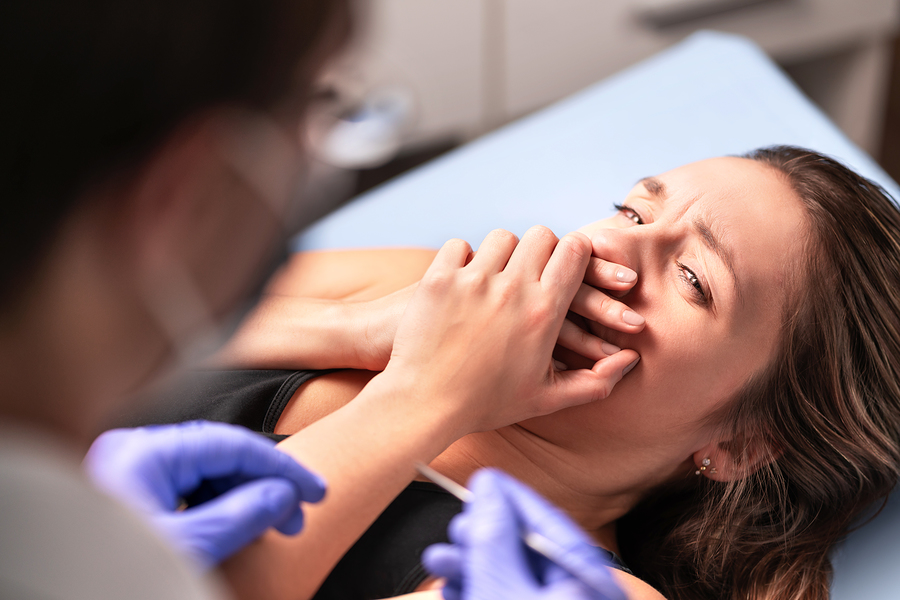
As you can imagine, the feeling of having your teeth scraped can be slightly uncomfortable! However, you will only feel minimal discomfort during the procedure, which is thanks to the application of a local anaesthetic. With the gum line effectively numbed, you will not be able to feel the scaler tool reaching into the periodontal pockets or scraping up the deposits below.
One thing that might feel a bit sore and painful is the recovery process. Because the procedure can be quite rough on the soft tissue of the gums, especially if you have gum disease, you might experience bleeding, redness, swelling and soreness. These side effects will typically be mild and go away within a few days. In cases of severe pain, over-the-counter medication can be helpful.
If you are a nervous patient make sure you select a clinic like the one we have in Brighton and Hove, which provides options such as oral sedation and also specialises in providing a supportive environment for people who worry about going to the dentist.
Regular periodontal maintenance is very effective and dental scaling and planing is a good option for people with existing or who are at high risk for gum disease and other dental issues. If you have significant damage to the teeth, are a smoker or have diabetes then this might affect the effectiveness of your treatment, which you will need to discuss with a dentist beforehand.
Dental scaling can also reduce the risk of needing further treatment down the line, which may include more intensive, uncomfortable and expensive treatments as an alternative, such as a root canal, tooth extraction and the need to fit crowns or veneers.
No. Although it might sound and feel like a robust technique, dental scaling will not damage your teeth – this is a persistent myth with no factual basis. The small discomfort of the procedure is nothing compared to the pain and discomfort of worsening dental and gum issues, which will also be much more expensive to treat.
So long as you are otherwise healthy, with no underlying medical conditions, all potential side effects should be mild and unlikely to pose any problem. A very recent and thorough 2021 study published in the journal Science Direct states that in terms of disadvantages, there are “None for a normal, healthy individual.” so there is no direct evidence that scaling causes any damage.
Dental scaling is a type of cleaning that uses a special tool to reach plaque and tartar below the gum line. The roots of the teeth are often planed following the scaling, which is good for gum health. Tooth scaling and planing can improve and prevent a wide range of potential gum and teeth issues.
Scaling could be right for you but there may be other treatments that are a better option. If you come to us for teeth cleaning at one of our Hove clinics, we can determine the best course of treatment and provide specialist services for nervous patients. Get in touch and book an appointment with us.
CONTACT US BUTTON
BACK TO BLOG






 INSTAGRAM