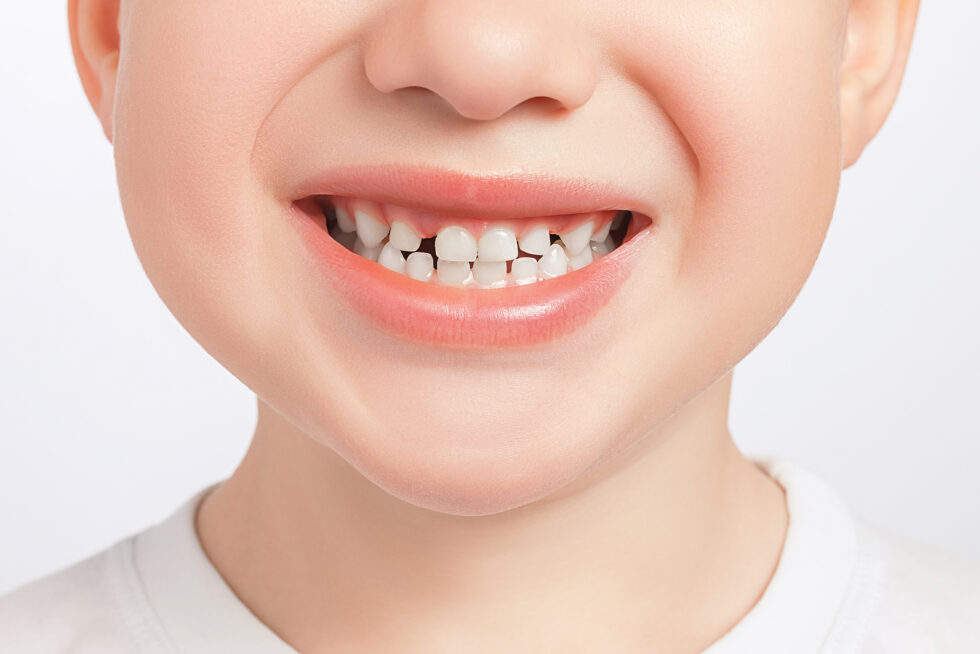
Excessive spacing can occur in many areas of the mouth but larger gaps between the front teeth are the most common type of diastema, for which people may choose to pursue several treatment options. The diastema may not require dental treatment for health reasons and in many cases treatments are purely aesthetic.
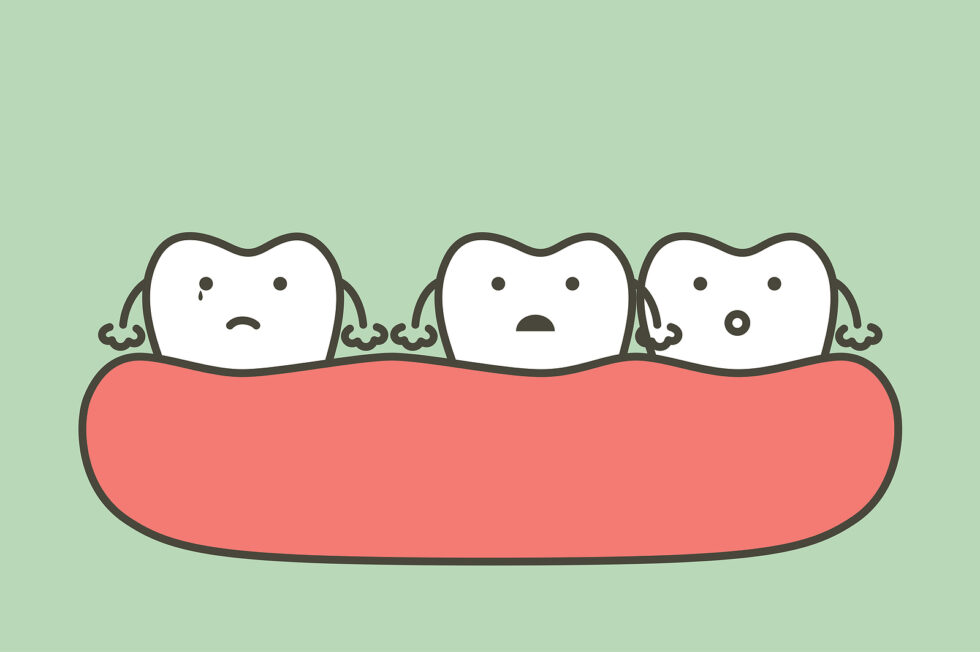
There are many different potential causes of diastema, some of which are preventable and others that you will not be able to avoid. The most common causes of large or small gaps between teeth are usually one or more of the following:
It is normally possible to fix most gaps between the teeth. If you wish to discuss orthodontic treatment to close the gaps in your teeth, we offer many safe options for nervous patients at our clinic. You will see that our friendly team is happy to help when you get in touch for an appointment.
CONTACT US BUTTON
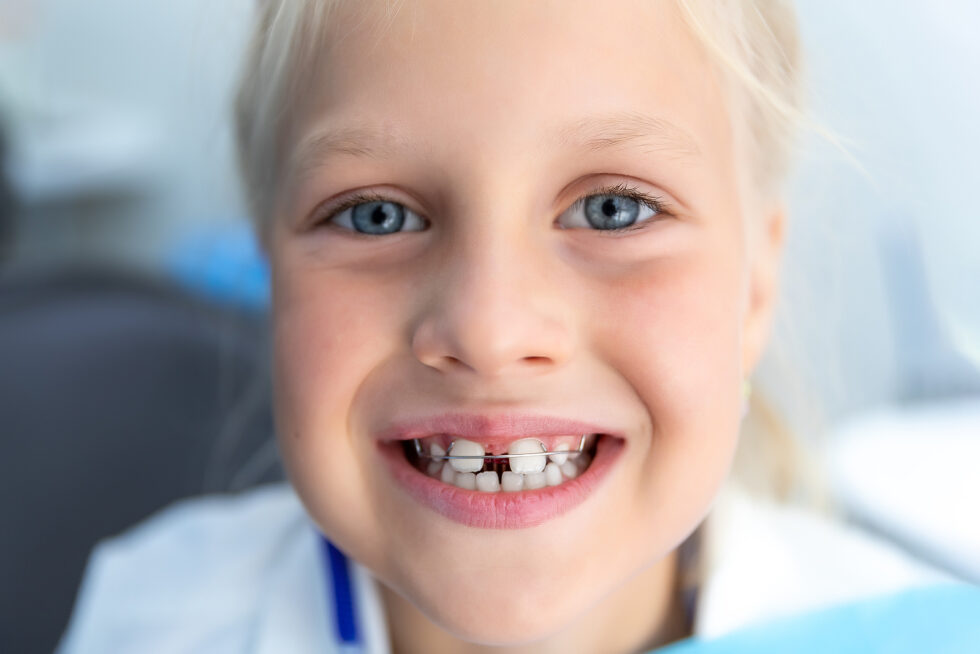
People should realise that in some cases, such as where genetics is the cause, there may be no reason to treat the diastema. In children there are also some preventative methods to avoid the chances of diastema developing. Below are some potential treatments for diastema:
There are plenty of preventative methods to avoid diastema, which may be a good option for parents who notice diastema in children. Oral hygiene and early treatment of dental problems can also prevent the likelihood of diastema becoming problematic – or even forming at all.
Yes. Braces and other safe teeth straightening treatments can fix spaced teeth, crooked teeth and other issues that occur during development or through force of habit. Braces are excellent because they are simple and have effective results. One caveat to remember about trying braces for a diastema is that gaps may recur after braces are removed, so a retainer may be required.
Diastema is simply a medical term for a gap between the teeth; it is not a disease or deformity per se. However, sometimes people will experience a diastema as a result of disease, notably periodontitis, so this may be a source of some confusion. Certain habits can be a cause of diastema too, so psychological illnesses can arguably be another cause of diastema.
A childhood diastema can fix itself, which is very common as teeth develop. High percentages of children have a diastema; studies vary but some sources say the rates of diastema in children can be as high as 50%. However, in adults, the position of your teeth are unlikely to change much. Adults may be able to prevent diastema as the result of gum disease through oral care.
Many people consider gaps in teeth to be attractive, natural and otherwise appealing. Often, perfectly straight teeth or overly-whitened teeth can seem off-putting. As a result, teeth with natural imperfections often make for very distinctive features. Celebrities such as Madonna, David Letterman and Eddie Murphy have all chosen to embrace the gap in their teeth.

You can book an appointment to discuss the best treatment options for diastema in the Brighton and Hove area at our advanced clinic, where we carry out a range of dental treatments and offer special support available for nervous patients. We offer many safe restorative services.
We hope you understand what causes excessive spacing or small gaps between teeth and how to fix them both a bit better now. If you have any questions about the cosmetic dental treatment options we offer, please feel free to get in touch with us to book an appointment today.
CONTACT US BUTTON
BACK TO BLOG






 INSTAGRAM