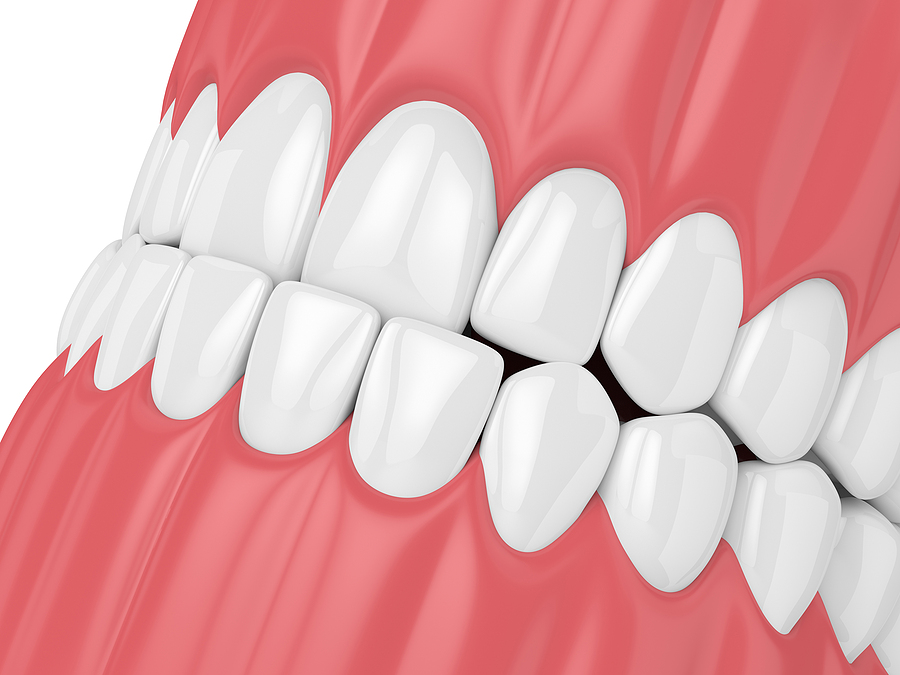
The term comes from the Latin words ‘malus’ (meaning ‘bad’) and ‘occlus’ (which translates to ‘shut up’). There are several types of malocclusion, which vary in their severity. The most appropriate correction method depends on the location and how severe the problem is.
The most common symptoms of malocclusions, which can affect the upper and lower front teeth and jaw, include the following:
The potential for a misalignment of the teeth will usually become apparent when a person’s adult teeth begin to form. Most patients present with symptoms of malocclusion during adolescence, which is why you often see teenagers and young adults with braces – as well as other treatments that are designed for the correction of crooked teeth.
We provide a range of teeth straightening solutions, with specialist treatments available for nervous patients too. We are sure you will be eager to use us for all future dental work. Please feel free to get in touch with us for an appointment at our modern, well-equipped clinic – located in the Brighton and Hove area.
CONTACT US BUTTON
Crooked teeth do not just look unpleasant, they can also make essential activities such as chewing and swallowing much more difficult. Malocclusions can also be harder to care for, which can lead to teeth becoming more prone to tooth decay.
There are several classes of malocclusion, which dentists use to determine where the bad bite is located and the severity of the problem:
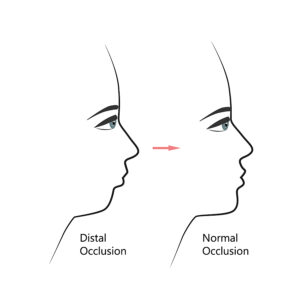
In many cases, malocclusion is a small cosmetic issue. However, the psychological strain of living with severe malocclusion is enough to warrant treatment for many people. A better bite can prevent further dental issues too.
The biggest non-preventable cause of malocclusion is genetics.
Some people may have extra teeth in their mouth, which can contribute to malocclusions. Others might have impacted teeth (meaning a tooth has not come in, or ‘erupted’ in dental terminology), which can also cause or contribute to a malocclusion. Some people may also just have a misshapen tooth or teeth.
Aside from genetics, poorly fitting crowns, fillings, fixed appliances and other previous dental treatments can also lead to malocclusions. Jaw fractures and other injuries are key causes of malocclusions too, but these may be unavoidable.
Another cause of malocclusion, in both adults and children, is tongue thrusting. A tongue thrust is when the tongue pushes against the front teeth while swallowing – as opposed to positioning itself at the roof of the mouth as it should.
If you have a family history of malocclusions then it may be worth getting more frequent checkups for your children as they approach adolescence – to catch any problems early, which should result in a more straightforward correction.
When children’s teeth are developing they go through a period of mixed dentition, meaning they have some teeth that are permanent and some still waiting to fall out. Mixed dentition can make it difficult to detect an emerging malocclusion, and the appearance of teeth in this period can also be misleading – meaning that despite the way teeth look a malocclusion may not occur at all.
In children, discouraging thumb sucking from an early age can reduce the chances of changes in the position of both the upper and lower teeth. Pacifier use can also influence the likelihood of a malocclusion developing, so weaning infants off their pacifiers as early as possible is a useful prevention method.
The appropriate correction method for all classes of malocclusion will vary depending on the nature of each case. Severe cases may require numerous dental treatments to effectively correct – and the gradual adjustment of teeth will take time no matter what level of treatment you require.
We offer several teeth straightening treatments for both mild and severe malocclusions. All cases vary, but an effective orthodontic treatment plan will typically feature some or more of the following:
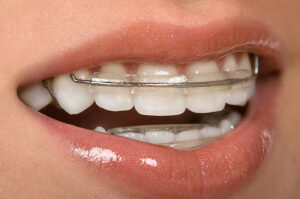
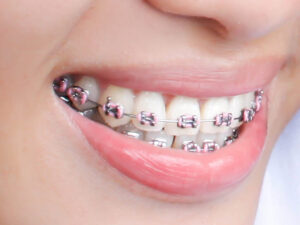
Getting a lasting result can be frustrating – as can embarking on a lengthy treatment, which is often the case for severe malocclusions. However, a quality dental treatment will involve regular updates and tweaks to make the appearance of things like braces much more subtle and comfortable over time.
We use a Trios 3 Shape Scanner, which gives us the ability to show you a preview of your orthodontic treatment results. Having a clear idea of how your treatment is going makes the process of treatment a lot more manageable, especially for young people for whom the duration can feel much longer.
CONTACT US BUTTON
If you have a bad bite it could easily worsen over time or even affect your ability to comfortably chew and swallow. As a result, treatment is essential. Treatments for malocclusions are usually fast, effective and affordable – so make sure you see a dentist if you have any symptoms to stop them from becoming more severe.
We offer a wide range of dental treatments at our Brighton-based clinic, so we are on hand if you need help in assessing or treating a malocclusion in the area – as well as any other issues. You will have a high quality and lasting outcome when you seek treatment from us, simply get in touch to book an appointment.
BACK TO BLOG







 INSTAGRAM