People can experience teeth grinding at night or during the day. Grinding teeth in sleep can be more difficult to detect or treat, as it is less noticeable than daytime grinding.
Some of the most common signs of an issue with bruxism and problematic teeth grinding include the following:
Typically, major damage such as broken teeth or fillings is only seen in the most severe and persistent cases. If you are experiencing higher levels of pain or observe increasing sensitivity in the teeth due to them wearing down and rubbing against each other you should see a dentist as soon as possible.
We offer excellent bruxism treatments that include innovative Sleep Clench Inhibitor mouth guards, which are one of the simplest, convenient and most effective ways to treat sleep bruxism and stop grinding your teeth at night.
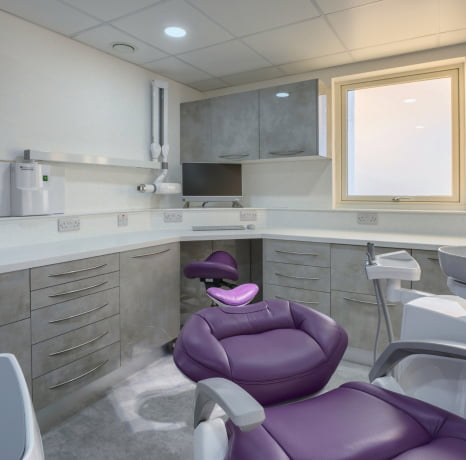
You will see that our team members are experts in delivering treatments for a range of patients, including those who are nervous or have fears regarding dental treatment, when you visit our modern, incredibly well-equipped clinic.
You can easily book an appointment if you are in the Brighton and Hove area by getting in touch with us today.
CONTACT US BUTTON
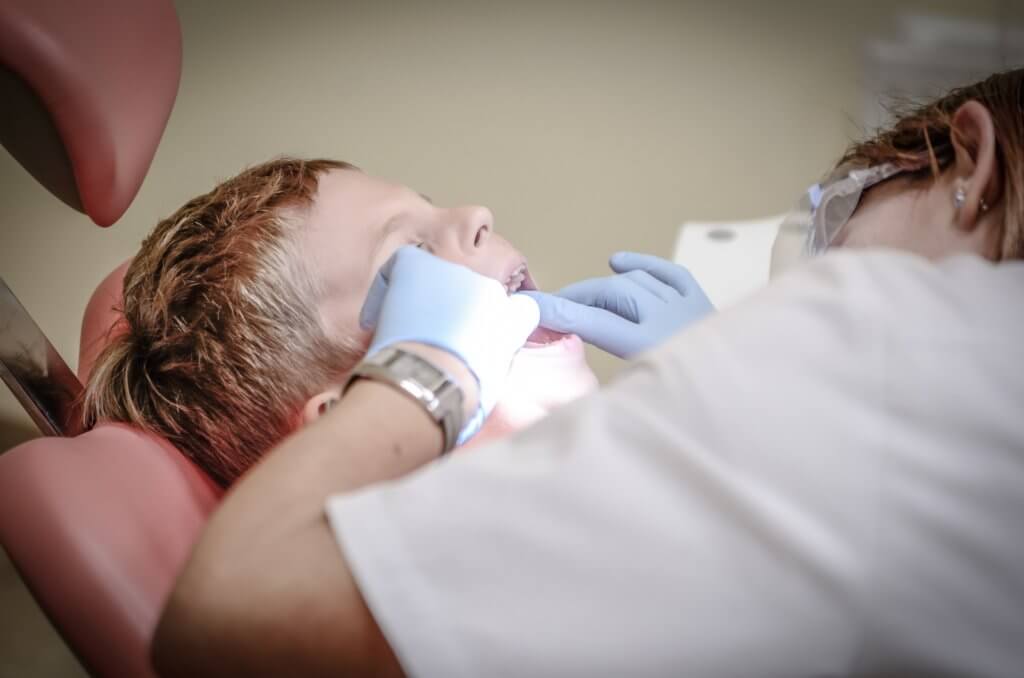
In children, teeth grinding is commonly a developmental phase and something that they will grow out of as their adult teeth form. If adult teeth form with an abnormal bite this can also increase the likelihood of teeth grinding.
Anxiety and stress are common underlying conditions of many people who experience bruxism. Sleep grinding in children may also be caused by stress and anxiety. If you have the underlying causes of the stress and anxiety treated by a doctor the teeth grinding may stop without further treatment.
Certain medications can also cause teeth grinding, notably selective serotonin reuptake inhibitors (SSRIs) – a commonly used antidepressant. Recreational drugs such as cocaine, methamphetamine and ecstasy can also cause teeth grinding.
Another common cause of teeth grinding at night is sleep disorders, most notably sleep apnea.
Although a professional treatment by a dental or medical professional may be the most effective for treating severe cases, there are several practical things you can do to help prevent teeth grinding – or at least reduce its frequency and intensity.
To lower your chances of experiencing teeth grinding, especially at night, you can try the following simple home remedies and lifestyle changes:

The above changes can help to improve your overall health as well as the issues of teeth grinding. However, if you have severe tooth damage, an audible grinding sound or persistent symptoms then a professional treatment may be necessary.
If you have ongoing problems that result from teeth grinding or are taking a medication that is essential for the treatment of another medical condition, teeth grinding may be difficult to stop via home remedies alone. In these cases, pursuing a full dental treatment may be the most effective solution.
Most dental treatments involve using a mouthguard. Fitting a mouth guard such as the Sleep Clench Inhibitor will do the following to help treat teeth grinding:
If you grind your teeth only during certain situations or at certain times of the day you may also be a candidate for a mouth guard – but tracking, avoiding certain stressful situations and other habits are usually simpler to implement in this case.
In children, teeth grinding will normally pass as their adult teeth form. Occasional teeth grinding may not be an issue and can be helped by controlling lifestyle factors that might worsen the condition. In severe cases or for persistent bruxism, a mouth guard treatment can tackle the problem with a high level of efficacy.
Finding a permanent solution to your dental issues can be difficult in many cases.
However, we specialise in finding long-lasting, pain-free solutions to almost any condition in our Brighton and Hove-based clinic. If you would like to book an appointment to treat teeth grinding or another condition – simply get in touch.
CONTACT US BUTTON
The following are some common questions and further details on teeth grinding and the services we provide:
Usually, grinding your teeth at night will come about because of an abnormal bite, stress, anxiety, certain medications or sleep disorders. Teeth grinding does not mean you have a permanent condition or another more serious underlying illness. Almost everybody experiences teeth grinding at some point in their lives, either at night or during the day, and it is usually not a major problem.
If you have an issue with teeth grinding that is caused by stress or anxiety, certain lifestyle changes can help you to stop grinding your teeth – or at least lower its frequency or intensity. Reducing stress, eliminating certain stimulants and practising better sleep hygiene will normally improve any problems you have with teeth grinding – and this can also stop it completely in many cases.
While it is possible for people who experience teeth grinding to stop without treatment, persistent teeth grinding will lead to problems if no steps are taken to prevent or reduce the issue. Potential problems from untreated bruxism include chipped teeth, broken teeth, cracked teeth, worn down teeth, gum recession and abfraction, which is a type of tooth damage that occurs near the gum line. Psychological problems from the appearance of the teeth as well as the stress that often causes the teeth to grind itself can also worsen and persist without an effective treatment plan.
Yes. We specialise in providing a caring, understanding and supportive environment at our clinic – conveniently situated in the Brighton and Hove area. Whether you are getting a simple check-up, a bruxism treatment or something more extensive we will provide a service that is ideal for even the most nervous of patients. We are confident we will become your go-to provider for all future dental treatments.
BACK TO BLOG






 INSTAGRAM